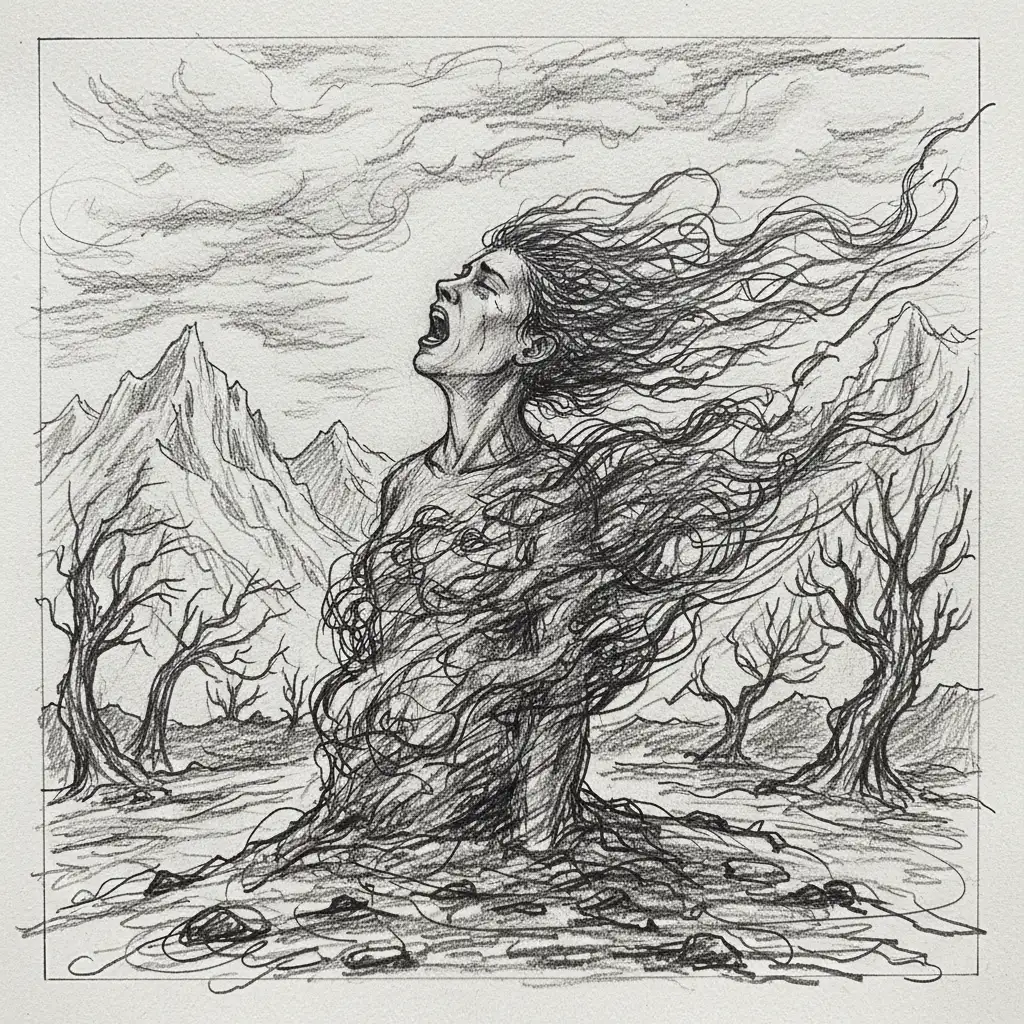
Catharsis is an old Greek word meaning 'cleansing' or 'purification'. It describes letting out strong thoughts and feelings. Afterward, people often feel refreshed and restored. In plays, it stirs intense emotions in the audience. They then release these feelings, leading to happiness.
In ancient Greece, it first described physical cleansing rituals. It also explained how certain medicines worked. Aristotle, a famous thinker, linked catharsis to plays. He believed tragedies offered a strong emotional release. This came from feeling pity and fear, bringing relief. Some think it's like "purgation," shedding too much emotion. Others see it as "purification" that balances our feelings.
In psychology, Sigmund Freud used it for releasing painful memories to improve well-being. Some modern playwrights even tried to stop catharsis. They hoped audiences would take action instead of just feeling satisfied.