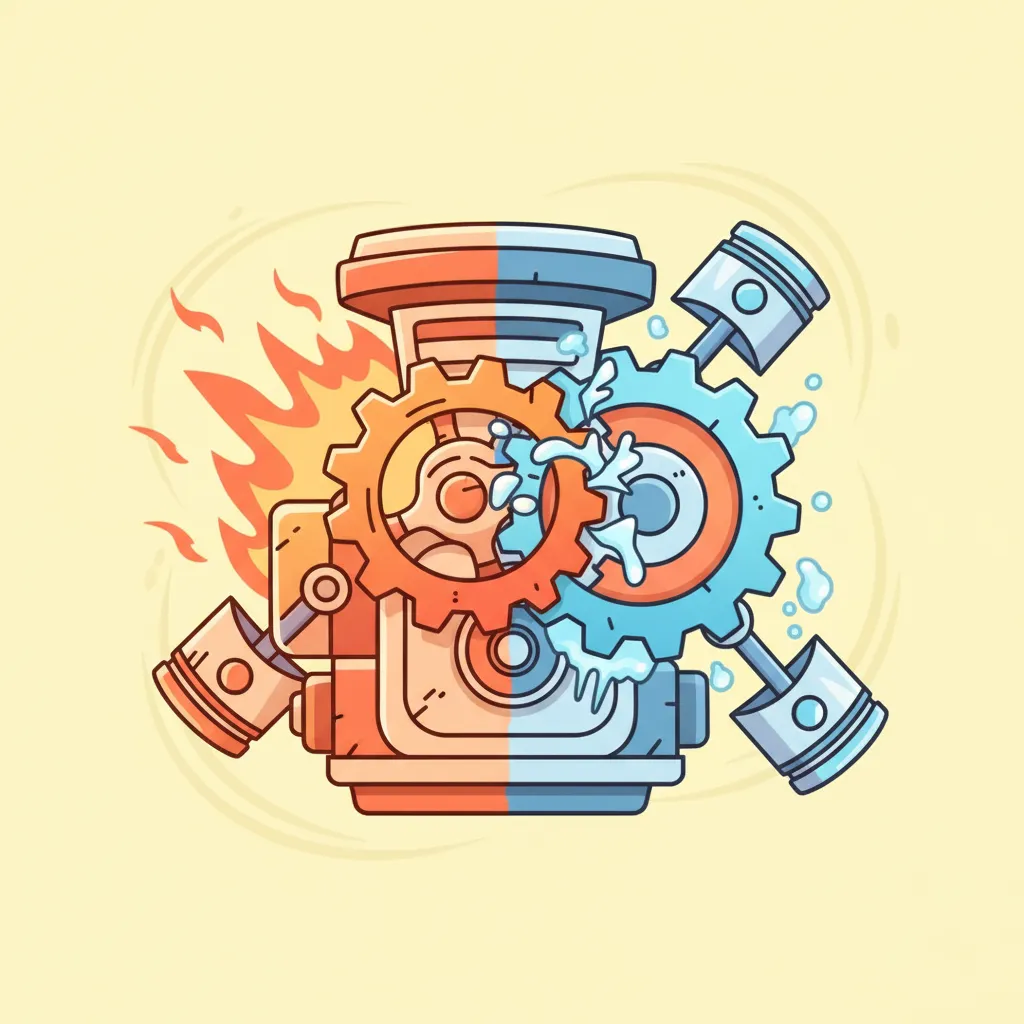
Core lock is a peculiar problem that can affect an airplane's turbine engine, especially if it gets shut down during a flight. It happens because different parts inside the engine cool down at uneven rates. You know how things expand when they're hot and shrink when they're cold? Well, this difference in cooling causes some critical engine parts to change size differently. These parts can then get jammed together, making it impossible or very difficult for them to spin.
If core lock occurs, it becomes incredibly challenging for pilots to restart the engine, whether they try to use the air movement to spin it (a windmill restart) or an auxiliary power unit. Luckily, the problem isn't permanent. Once the entire engine has cooled down slowly and evenly, all the components return to their normal size, and the core lock condition goes away.
Core lock was a contributing factor in the 2004 Pinnacle Airlines Flight 3701 accident. In that unfortunate event, the pilots made a mistake by shutting down both engines. To make things worse, they didn't keep the airplane flying fast enough. This lack of speed caused the engine cores to stop rotating, which then led to the core lock problem, preventing a successful restart. The airplane manuals also didn't clearly explain to pilots how important it was to maintain speed to keep the engine cores turning during a restart attempt.