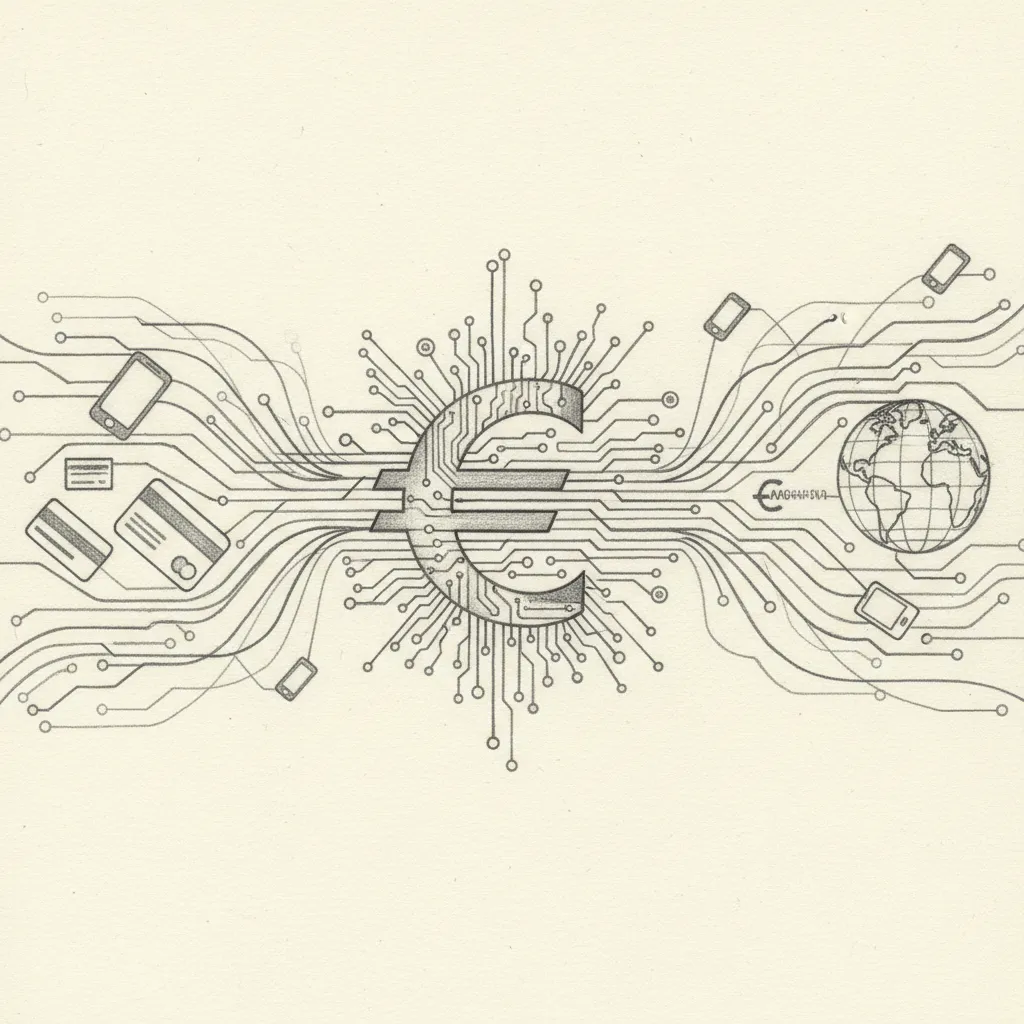
The European Central Bank, or ECB, has been working on something called a digital euro since July 2021. It's meant to be a new electronic way for everyone to pay, from individuals to businesses, and would work alongside the cash and bank account money we use today. The goal is to create a fast and safe digital currency issued by the Eurozone's central banks.
In late 2023, the ECB decided to move into a preparation stage, getting ready to finalize the rules and pick companies to build the necessary systems. They are currently aiming for it to be ready for public use by 2029, following new European Union laws expected in 2026.
A big reason for wanting a digital euro is to make sure central bank money stays important in our payment systems and to offer secure, free access to legal digital money. It could also give more payment choices, encourage new digital innovations, and protect Europe from foreign digital currencies.
However, there are also worries about the digital euro, like concerns over privacy and the potential for increased government control over spending. Critics fear it could lead to financial censorship and even affect human rights, pointing to examples from other countries where digital currencies have had these features.
Some groups, like consumer protection organizations, see it as a chance for better, consumer-friendly digital payments. But others, like computer science experts, worry about a lack of privacy, picturing a "glass person" whose every financial move is seen. The banking industry generally supports the idea but highlights potential risks to their own businesses. The industry also suggests that future digital payments should include "programmable payments," meaning money could be set to be spent only on certain things or at specific times.