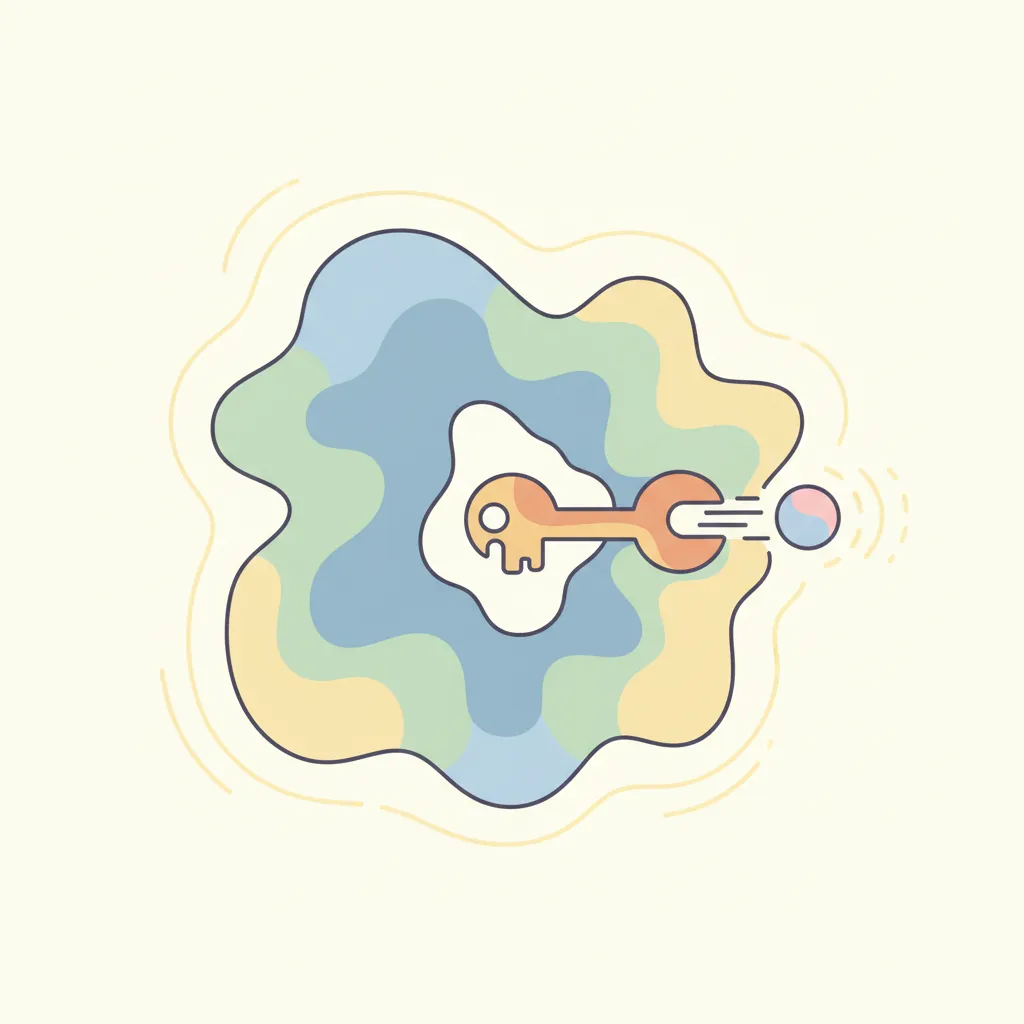
Enzymes are special biological molecules, mostly proteins, that act like amazing tiny helpers in your body. They greatly speed up chemical reactions, which are super important for all life processes and would otherwise happen too slowly. Each enzyme has a specific area called an active site where it connects with the molecules it needs to change, called substrates. Many enzymes also rely on non-protein helpers, like certain metal ions or vitamins, to perform their tasks. A key way enzymes work is by lowering the "activation energy," which is the energy barrier reactants need to overcome to become products. Think of it like reducing the height of a hill so a ball can roll down much faster, but the ball still ends up in the same place. Enzymes are never used up in these reactions; they can be recycled to speed up many more reactions. They are also usually very specific, meaning each enzyme typically works on only one type of molecule or a very similar group of molecules.
One cool idea is called the "induced fit" model, which describes how enzymes and substrates interact. It suggests that the enzyme's shape subtly adjusts when the substrate binds, creating a stronger connection and helping to stabilize the reaction's intermediate stage. Enzymes use several smart tricks to achieve these rapid reactions. They precisely position reacting molecules close together and in the perfect orientation, making reactions happen much more efficiently. They can also use tiny acid or base parts in their active site to help stabilize charges that develop during the reaction process. Furthermore, enzymes create a unique electrical environment within their active site that perfectly stabilizes these changing charges, greatly accelerating the reaction.