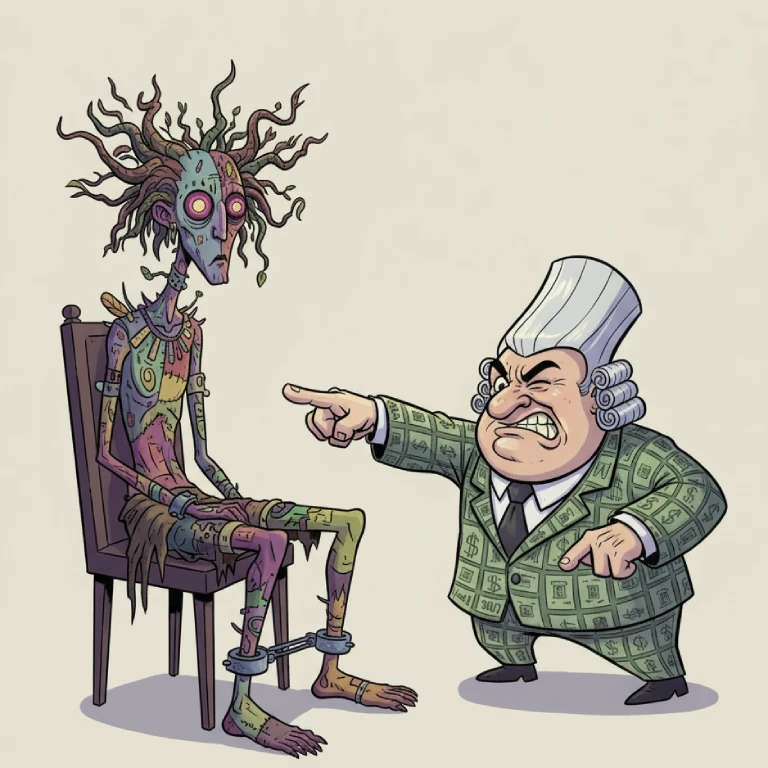
Epistemic injustice is unfairness about knowledge and learning.
It happens when people are ignored or not believed because of who they are.
Philosopher Miranda Fricker created the term.
There are two main types: testimonial injustice and hermeneutical injustice.
Testimonial injustice means someone isn't trusted due to their identity.
For example, police didn't believe a witness in the Stephen Lawrence case because of his race.
Hermeneutical injustice means people can't understand their own experiences because the right words or concepts don't exist.
Example is "sexual harassment". This term was invented in 1970s.
Before this time, a woman experiencing sexual harassment may have had difficulty putting her experience into words.
Epistemic injustice can also involve harmful interpretations called epistemological violence.
This includes wrongly judging a whole group as less capable.
These ideas aren't new: thinkers like Anna Julia Cooper talked about similar things before.