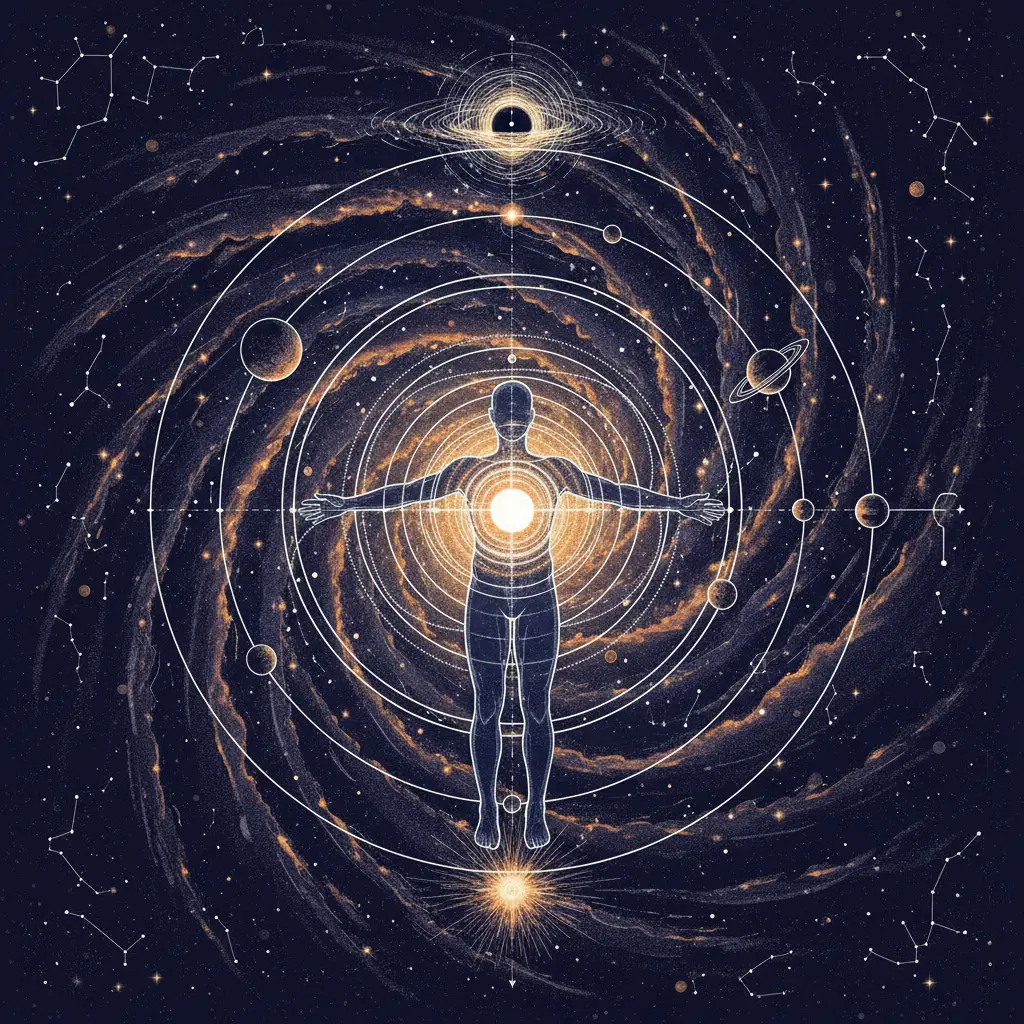
Humanism is a way of thinking that focuses on the amazing potential and choices of us humans. It sees us as the starting point for understanding morals and philosophy. Over time, the idea of humanism has changed.
Today, it generally means caring about human well-being, freedom, happiness, and progress. Humanists believe we are responsible for improving ourselves and the world around us. They often support things like human rights, free speech, and democracy. From the 20th century onwards, many humanist groups are non-religious and look to science and reason to understand the world, rather than divine sources. They believe that you don't need religion to be moral.
The word "humanism" itself comes from the Latin "humanitas," which referred to values in a good education, and this idea led to subjects we now call "the humanities." Even in ancient Greece, thinkers like Protagoras, Socrates, and Aristotle explored ideas centered on human reason and ethics, without always relying on myths. These ancient ideas are considered the early roots of humanism. During the Renaissance, especially in Italy, figures like Petrarch revived an interest in classical learning and literature. A humanist outlook usually rejects supernatural beliefs and values human dignity and the ability to achieve self-realization through reason.