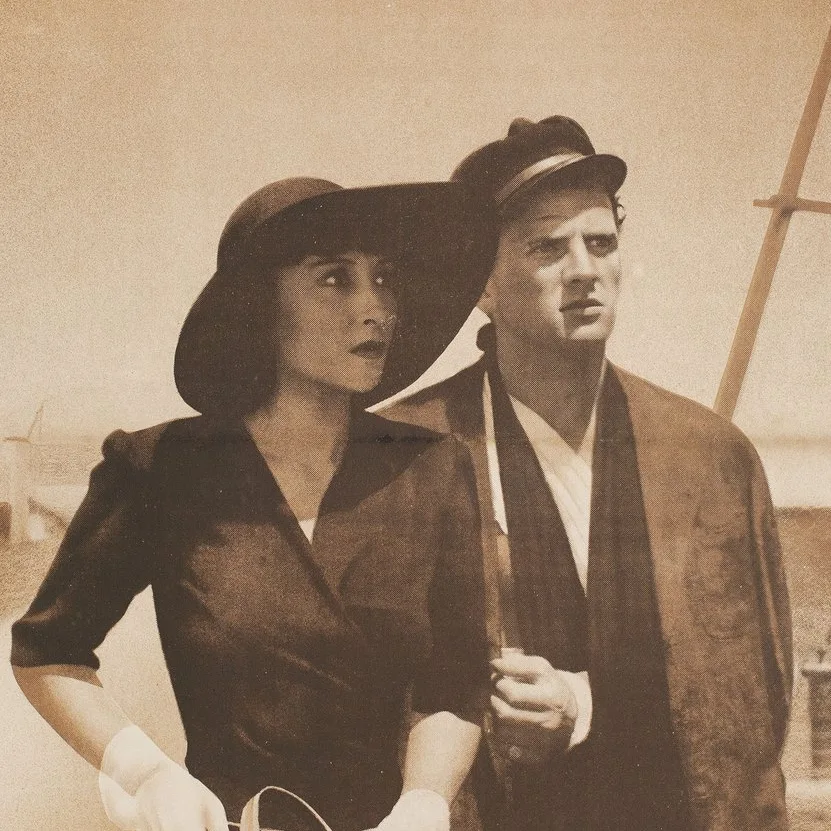
Italian Neorealism was a special time in Italian movies, often called the Golden Age of Italian Cinema, focusing on stories about everyday people. It especially highlighted those who were poor or working-class, showing the tough economic and moral challenges Italy faced right after World War II. Filmmakers wanted to capture the real-life struggles, like poverty and injustice, that people experienced daily.
This style of filmmaking started as the war ended and Italy's old government fell, pushing the film industry to find new ways to tell stories. Many scenes were filmed outdoors on actual streets because movie studios had been damaged. Film critics helped shape this new approach, wanting movies to be more realistic than the fancy films popular before.
The first film often considered part of this movement was *Ossessione* in 1943, but it gained worldwide fame with *Rome, Open City* in 1946. These movies frequently used regular people instead of famous actors and often featured children observing the adult world around them. *Bicycle Thieves* is another great example, showing the simple yet difficult life of a working-class father trying to survive.
By the early 1950s, the movement started to fade as Italy's economy improved and people looked for more hopeful stories; the government even thought these films made the country look bad. However, Italian Neorealism had a huge impact, inspiring filmmakers and movements all over the world. It forever changed cinema by focusing on realism and is still remembered as a "Golden Age" for Italian movies.