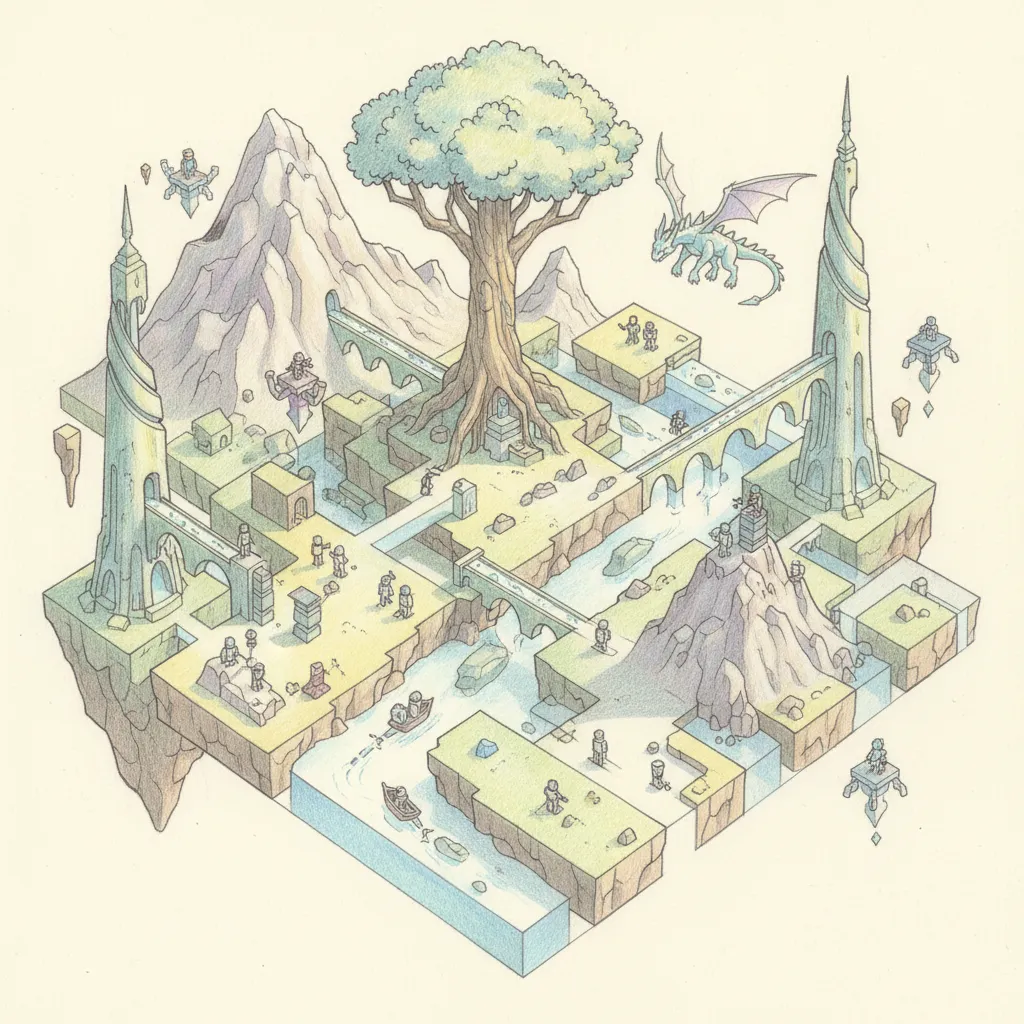
Massively multiplayer online games, or MMOs, are online video games where many players interact together in the same shared virtual world. These games usually feature huge, persistent open worlds that you can explore on devices like computers, gaming consoles, or smartphones. Players often cooperate, compete, and connect with people from all over the globe, enjoying many different types of gameplay.
The most popular kind of MMO that started it all was the massively multiplayer online role-playing game, or MMORPG. These games evolved from older text-based adventures, even before the internet existed, but they already featured ongoing worlds. The very first graphical MMO was a flight combat game called Air Warrior in 1986, which later introduced 3D graphics.
Commercial MMORPGs like Neverwinter Nights and Ultima Online became very popular in the 1990s as technology improved. This allowed thousands of players to play at the same time, leading to huge successes like World of Warcraft, which has had millions of subscribers. MMOs also expanded from computers to consoles and then to mobile phones.
Many MMOs feature virtual currencies that players earn and spend within the game world. Sometimes, players buy virtual items or currency with real-world money, a practice often called "gold farming." This can sometimes upset players who prefer to earn things through their own effort, and game companies often try to prevent it. Running these virtual economies can be so complex that some game developers even hire real-life economists.
To support so many players, MMOs require large game worlds and powerful computer servers. Some games manage this by creating multiple copies of their world, known as "shards," to spread the player load. Building the special software and databases needed to keep these huge online worlds running smoothly for everyone is a big technical challenge.