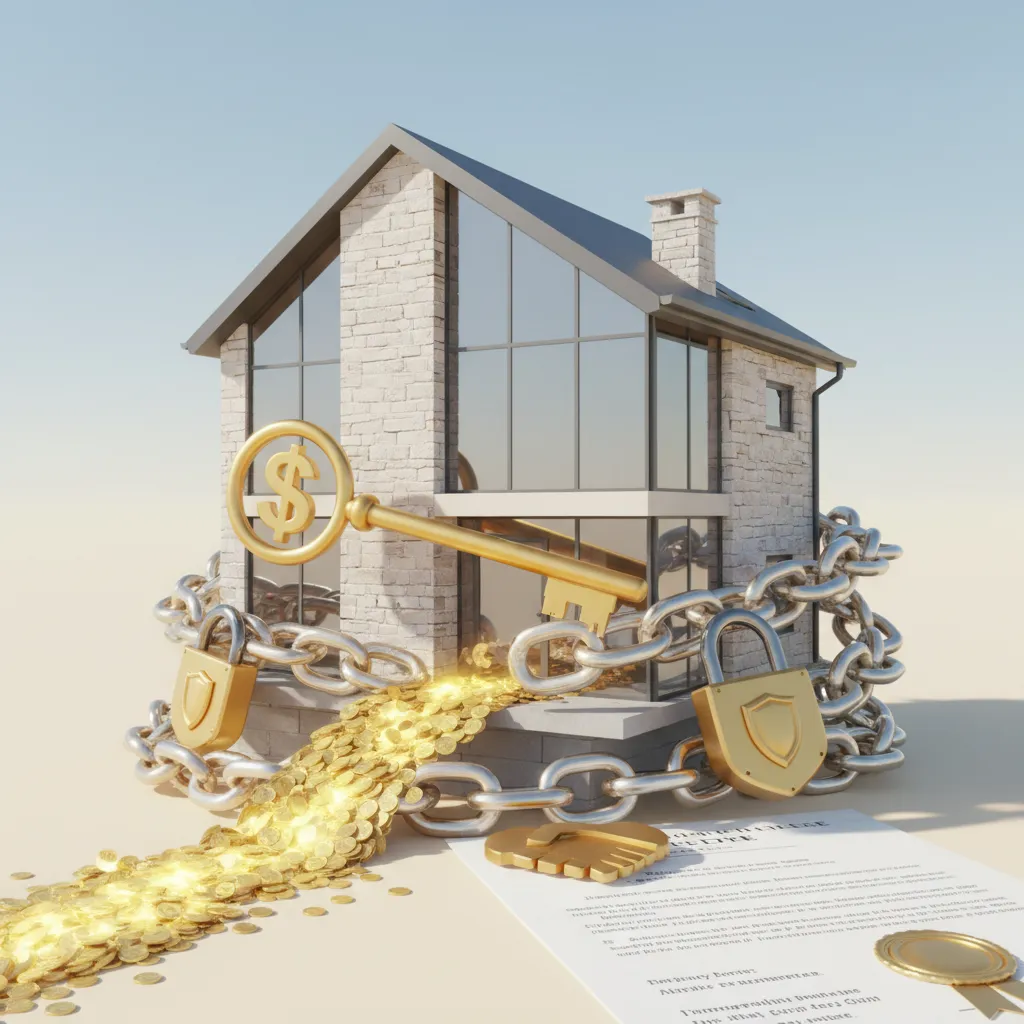
When you want to buy a house, most people get a special loan called a mortgage. This loan lets you use the property itself as a guarantee, so if you don't make your payments, the lender can take and sell the house in a process called foreclosure. The word "mortgage" even comes from an old French term meaning "death pledge," because the promise ends when the loan is paid off or the property is taken.
You, as the borrower, might be buying a home or a business property. The lender is usually a bank or a credit union. It's important to know that if you ever face serious financial trouble, the mortgage lender gets paid first from the property's sale before other debts. Mortgages are very common because most individuals don't have enough savings to buy property outright.
A mortgage comes with an interest rate and a repayment schedule, often stretching over 30 years. Before you get approved, lenders go through a careful checking process called underwriting. They look closely at your income, job history, credit score, and the value of the house to make sure you can afford the loan. It's a good idea to avoid changing jobs or opening new credit accounts during this approval time.
There are main types of mortgages, like a fixed-rate mortgage where your interest rate stays the same, offering predictable monthly payments. An adjustable-rate mortgage (ARM), however, has an interest rate that can change over time, meaning your payments might go up or down. Lenders also consider your credit history and how much money you pay upfront when deciding your specific loan terms.