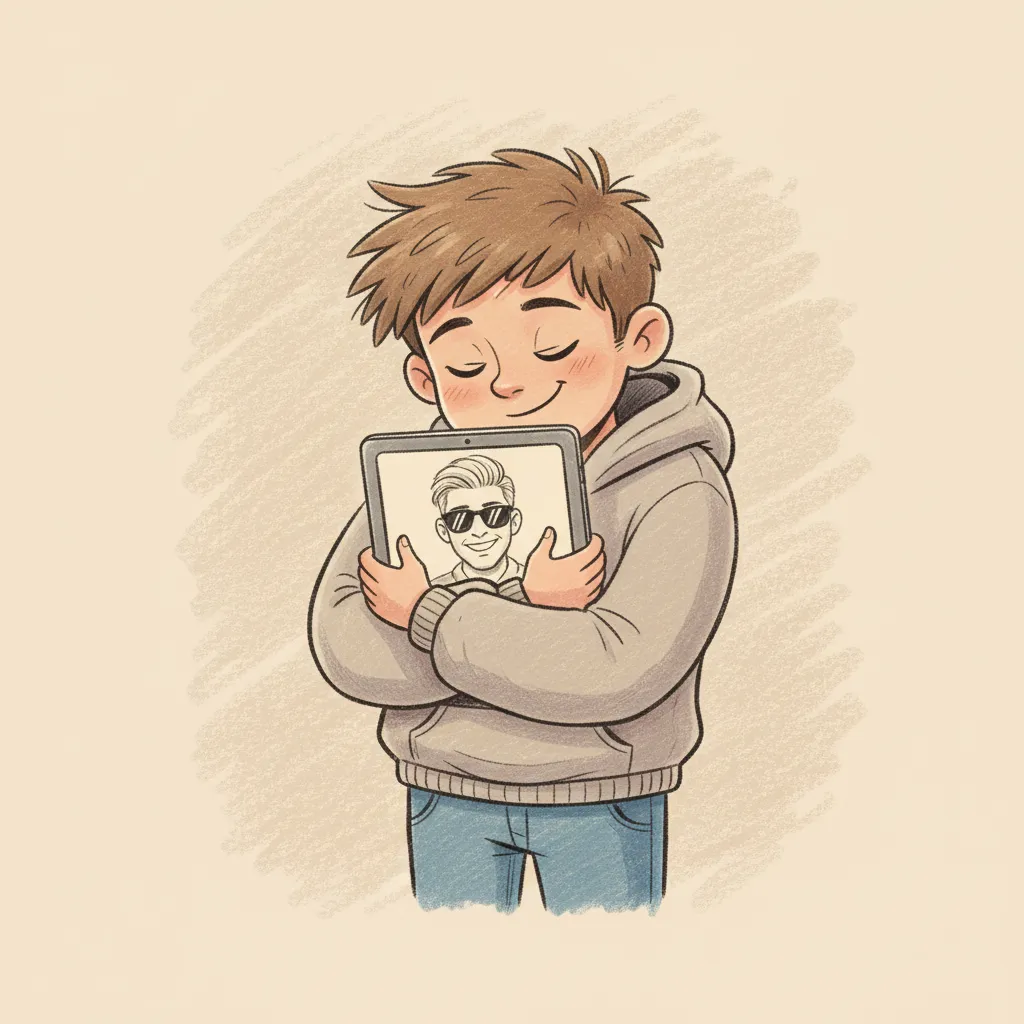
You know how sometimes you feel like you really "know" a celebrity, influencer, or even a fictional character, even though you've never actually met them? That feeling is called parasocial interaction. It's like having a one-sided friendship where you feel a sense of closeness to them by watching them on TV or online, even though they don't know you back. This interesting idea was first described by Donald Horton and Richard Wohl back in 1956. When you experience these feelings repeatedly over time, it can grow into a parasocial relationship, where you truly feel a bond of intimacy and friendship. Learning positive things about these media personalities and seeing them share parts of their lives can make you feel even more attached.
People often feel very loyal to these figures, carefully observing their appearance, gestures, and conversations, almost like they would with a close friend. These media personalities can actually have a big influence on how you think about certain topics or even what you decide to buy! Social media has made these connections even stronger because it offers more ways to interact, like commenting, liking, or even sending direct messages. Seeing them consistently pop up in your feed can make the relationship feel even more personal.
While these interactions feel real, they are different from face-to-face friendships because the media person doesn't know you personally. Psychologists study this to understand how it affects us, and some research suggests it can even help fulfill certain social needs, especially for those who might find real-life interactions tricky. These kinds of relationships are quite common, especially among teenagers, who often form strong bonds with their favorite athletes, musicians, or actors. Scientists are still learning a lot about how these connections form and what they mean for us as we grow up.