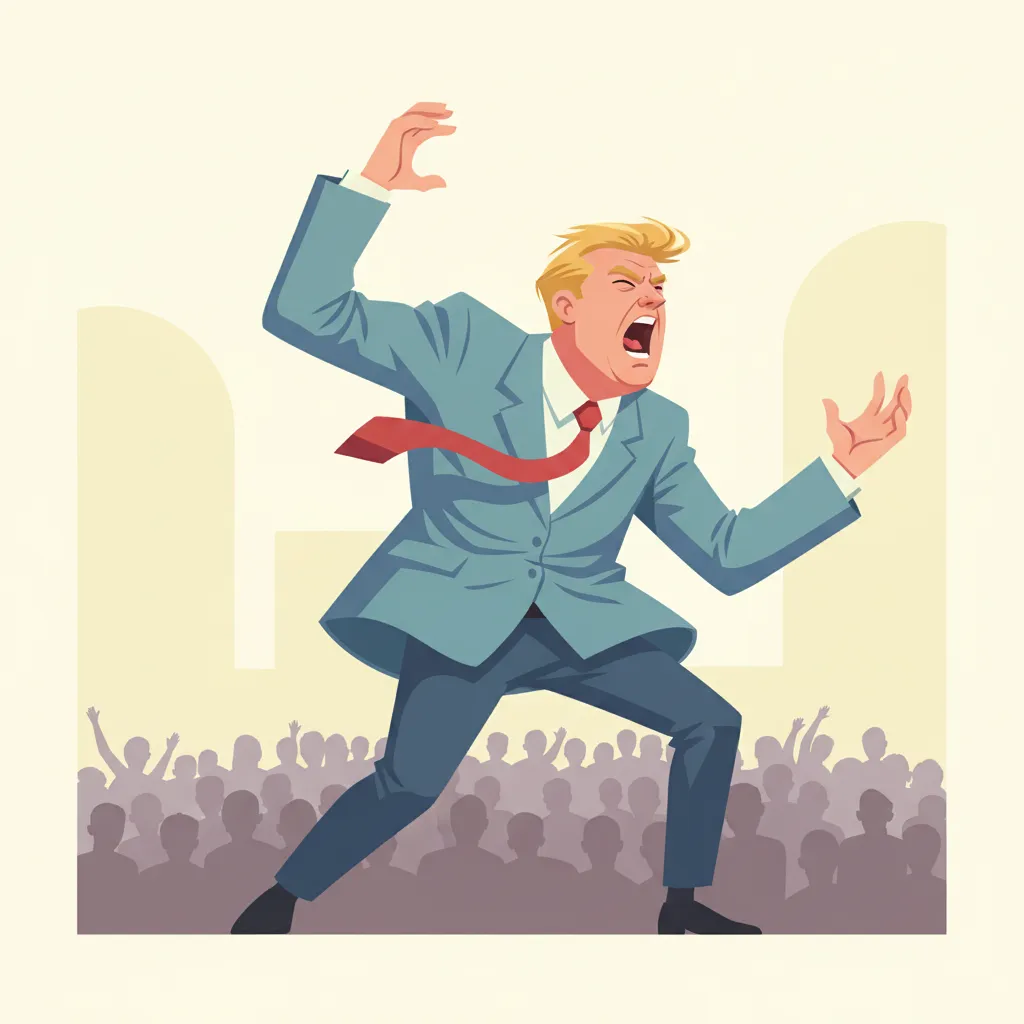
Populism describes a political idea that focuses on the "common people," often standing against those seen as the "elite." It frequently involves an attitude against the established way of doing things in politics. The term first appeared in the late 1800s and has since been used for many different leaders and movements, often carrying a negative meaning. It can be a confusing word because its usage has varied greatly across continents and contexts, making it hard to define precisely.
In the 1860s, a Russian movement called the "narodniki" aimed to give political power to peasant communities, which was an early example of a populist movement. Later, in the United States, the People's Party in the 1880s championed the rights of small farmers and was quite progressive for its time. The term also became important in Latin American politics after World War II, linked to charismatic leaders who successfully brought together newly urbanized populations.
Academics started studying populism more deeply in the 1950s, looking at trends against elites in society. However, even experts have struggled to agree on a single, clear definition, leading to a lot of debate. The word often carries a negative meaning today, sometimes being confused with simply misleading people or threatening democracy.
After major political events in 2016, like the election of Donald Trump and the UK's vote to leave the European Union, interest in populism surged globally. This led to a huge increase in academic research, though some scholars still question if the term is too vague to be truly useful. At its heart, populism often paints a picture of a "pure people" against a "corrupt elite." While it can give a voice to excluded groups, when in power, it sometimes bypasses democratic institutions that are designed to protect everyone.