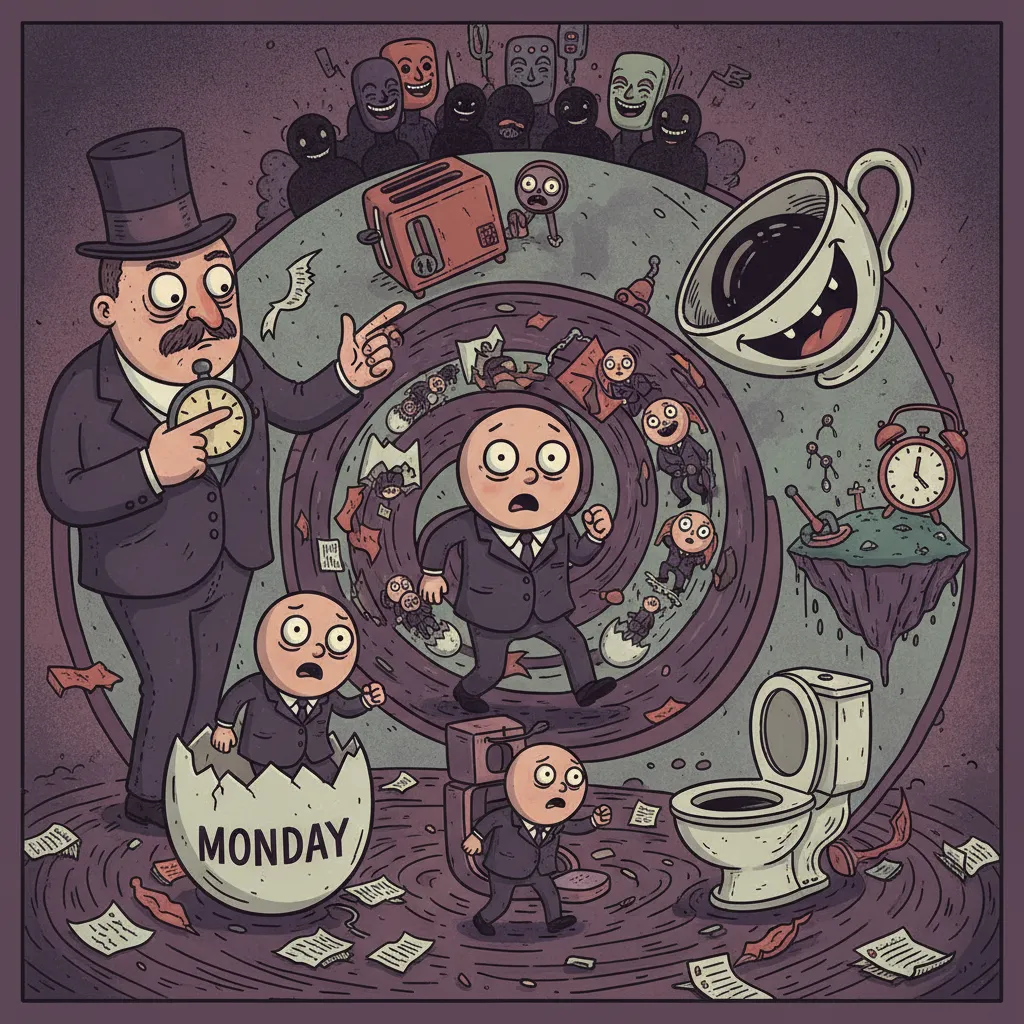
The Theatre of the Absurd became a popular style of plays. It rose in Europe after World War II ended. These plays explore life when it seems to lack clear meaning. Characters often struggle to communicate well with each other. Stories can go in circles, frequently ending where they started. Conversations might become very illogical or even quiet.
Martin Esslin first used the name "Theatre of the Absurd" in 1960. He studied writers like Samuel Beckett and Eugène Ionesco. Esslin explained "absurd" as something without purpose or a goal. This idea connects to how some thinkers saw life as meaningless. The plays often mix funny scenes with very sad or scary ones. Characters might find themselves doing repetitive, pointless actions.
This theatre aimed to make people face life's confusing parts. It encouraged accepting life's mysteries, which can feel freeing. Key writers also included Jean Genet and Harold Pinter. Experimental art like Dadaism influenced these playwrights greatly. The Theatre of the Absurd shows life's struggles without offering easy fixes.